
What Are the Challenges of Remote Learning? How Can We Overcome Them?
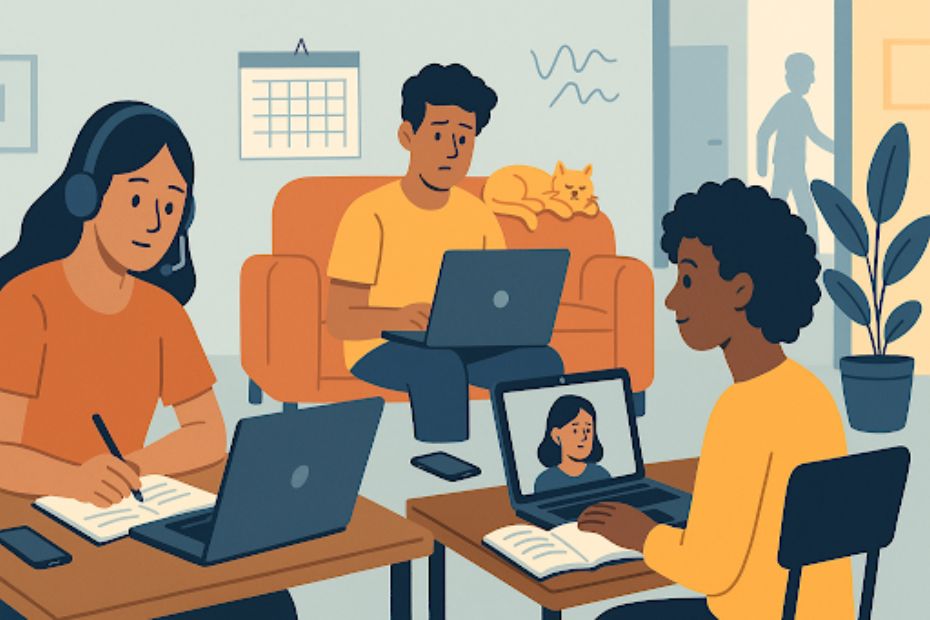
Table of Contents
You already know that remote learning can open doors—it gives students the flexibility to learn from anywhere, on their own schedule. But you also know it isn’t perfect. As convenient as digital classrooms may be, they bring along their own set of headaches, both for students and educators. When you’re managing your own time, dealing with tech issues, or trying to teach through a screen, those challenges start to pile up. In this article, you’ll walk through the real obstacles you face in remote learning and how you can deal with them without burning out.
Dealing With Technical Issues
If you’ve ever tried to teach or learn during a video call that keeps freezing, you understand how much technical glitches can disrupt focus. Unstable connections, outdated hardware, incompatible software, or even poorly designed learning platforms can make it hard to stay on track. As a student, you’re often left to troubleshoot problems you’re not trained to fix. As an educator, you might feel like an IT technician half the time.
The fix? Preparation and support. Always check your tech before class starts—audio, video, and internet. If you’re running sessions, provide clear guides on how to access materials and use the platform. Have backups in place, like recorded lectures or downloadable content, in case students can’t connect. And keep support contacts visible so nobody wastes time scrambling when things go sideways.
Staying Motivated Without Structure
Remote learning sounds like freedom—until you realize how easy it is to fall behind. Without a set classroom schedule or physical accountability, staying motivated becomes a daily challenge. You might start the week with a plan, only to find yourself procrastinating by Wednesday. No bells, no walk to class, no reminder that you’re part of something.
What helps is routine. You should build one that mimics the rhythm of in-person classes. Set alarms. Block off study hours. Plan when you’ll review material and when you’ll complete assignments. And find ways to reward yourself for sticking to it. On the instructor side, engagement matters. Break content into digestible pieces. Use quizzes, live polls, and breakout rooms to keep students involved and alert. Passive learning dies quickly online—interactivity keeps it alive.
Managing Time and Deadlines
Remote learning doesn’t care what time of day it is—but that doesn’t mean you can ignore time altogether. When assignments don’t have a face-to-face reminder, they can sneak up on you. Add in jobs, family responsibilities, and other online classes, and suddenly everything collides in one chaotic week.
You need tools. Use digital calendars or task boards like Google Calendar, Notion, or Trello. Map out your deadlines early and reverse-engineer your tasks. Allocate time blocks for reading, revising, and feedback. As an educator, be transparent with timelines and avoid clustering due dates across multiple classes if possible. Weekly checklists and reminders help everyone keep pace without becoming overwhelmed.
Limited Interaction and Isolation
It’s easy to forget you’re part of a learning community when your only contact is a screen. The lack of daily peer interaction and casual conversation can make remote learners feel alone. It impacts participation, collaboration, and even mental health. For instructors, it’s tough to tell if a student is struggling—or simply quiet.
You should prioritize face time. Whether it’s a group chat, virtual study session, or scheduled video call, look for ways to connect beyond just submitting assignments. Teachers should encourage introductions at the start of courses, host optional office hours, and create informal forums for discussion. When you build a sense of classroom culture, even online, students become more responsive, involved, and open to feedback.
Learning in a Distracting Environment
Remote learning doesn’t come with do-not-disturb signs. You’re dealing with roommates, family noise, pets, deliveries, and distractions everywhere. Even when the house is quiet, digital distractions like social media are a click away.
You need a dedicated zone. It doesn’t have to be a fancy desk setup—just a consistent space where your brain learns to switch into “study mode.” Silence notifications. Use focus tools like Pomodoro timers to stay productive in short, manageable sprints. If you’re teaching, understand that distractions are inevitable and build in brief breaks or flexible due dates when it makes sense. Structure helps—but understanding keeps students from dropping out altogether.
Accessibility and Equity Gaps
Not everyone starts on equal footing in remote learning. Some students lack high-speed internet, share devices with family, or don’t have a quiet place to study. Accessibility issues—whether economic, physical, or cognitive—make it harder to participate fully. You can’t fix every gap alone, but you can make it easier for others to succeed.
If you’re a student, speak up when something’s not working—whether it’s access to materials or needing extra time. Instructors should provide multiple formats of content (video, text, audio), check whether assignments assume certain resources, and make sure platforms used are mobile-friendly. Schools need to step in too—offering loaner devices, internet subsidies, and learning support whenever possible.
Evaluating Fairly and Honestly
Testing has always been tricky, and remote settings make it more complicated. It’s hard to know who’s looking at notes or working with someone else. But surveillance software can feel invasive, and strict rules don’t always solve the problem—they just stress students out.
Shift your focus to performance-based tasks. Instead of memorization, design assessments that test application and creativity—case studies, reflections, presentations, and open-resource assignments. When students have to explain their thinking or solve a problem their way, you learn more about what they know—and they can’t Google their way through it. That kind of evaluation supports real learning, not just box-checking.
Common Challenges and How to Solve Them
- Tech problems: Prepare, support, and simplify
- Motivation: Stick to a routine with built-in rewards
- Time management: Use tools to track deadlines
- Isolation: Create ways to connect regularly
- Distractions: Designate a focus-friendly space
- Equity: Offer flexible, inclusive access
- Assessment: Use fair, performance-based tasks
In Conclusion
Remote learning isn’t a shortcut—it’s a different game entirely. You’re navigating tech hurdles, managing your time alone, and trying to stay engaged without the natural structure of a classroom. But when you take control of your schedule, create a functional space, and prioritize communication, you set yourself up for success. And if you’re leading the learning, your choices make a huge difference. When you build with clarity, fairness, and flexibility, you help learners not just survive remote education—but thrive in it.
Stay updated on more insights and discussions about education and technology by following me on X.
Related Posts

Top In-Demand Skills College Students Should Learn in 2026
Discover the top in-demand skills college students should learn in 2026...

The Best Exam Preparation Techniques for Busy Students
Discover the best exam preparation techniques for busy students, including active...
Is Supply Chain a Stressful Career? The Reality No One Tells You
Is supply chain a stressful career? Learn which roles are high-pressure,...