
What Are the Best Practices for Effective Peer Learning?
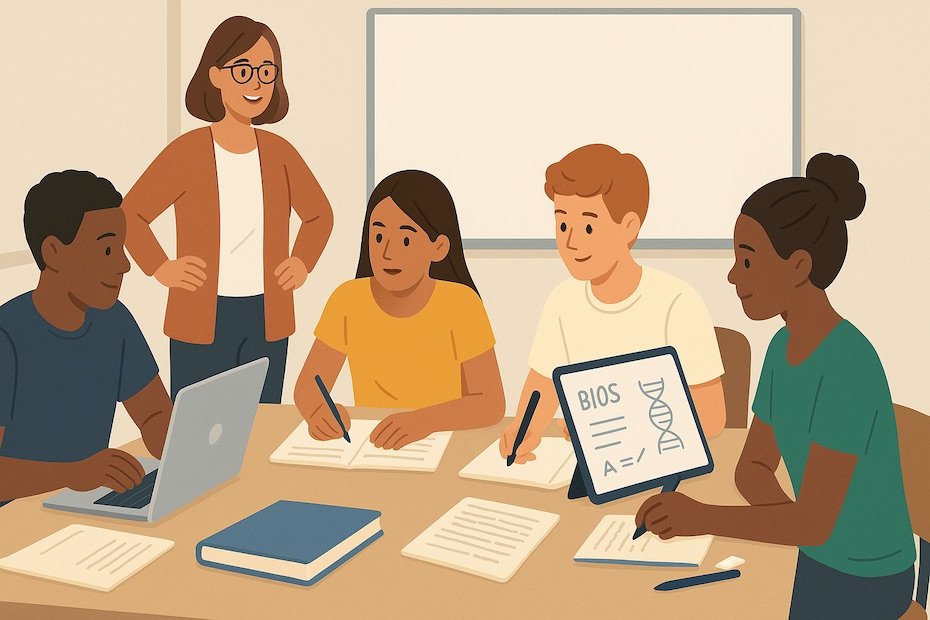
Table of Contents
- Start with Clear Objectives and Roles
- Choose the Right Peer Learning Strategy
- Teach Feedback and Active Listening
- Use Mixed Skill Pairings Strategically
- Scaffold with Checklists and Visuals
- Build Reflection into the Routine
- Normalize Peer Learning as a Classroom Culture
- Best Practices for Peer Learning
- In Conclusion
You already know that when students learn from each other, they often walk away with a stronger grasp of the material than when they only hear it from an instructor. Peer learning taps into that shared experience and turns students into resources for one another. If you’re trying to build a classroom that fosters collaboration, independence, and deeper understanding, the way you structure peer learning will make or break the experience. In this article, you’ll find practical strategies to implement peer learning effectively—backed by real research and field-tested methods that help students take ownership of their learning while building the social and cognitive skills that last beyond the classroom.
Start with Clear Objectives and Roles
If you want peer learning to actually stick, you need more than a group activity—you need a clear purpose. Define what students should learn, not just what they should do. Are they clarifying concepts, practicing problem-solving, or applying knowledge to a scenario? Your objectives drive how you pair students and how you measure the outcome. It’s also essential to assign or rotate peer roles: facilitator, recorder, checker, and presenter. These roles ensure equal participation and prevent one student from carrying or coasting. When everyone knows what’s expected of them, collaboration feels purposeful instead of chaotic.
Clarifying roles also helps you support quieter students. Someone who doesn’t speak up in class may thrive as a checker or recorder, slowly building confidence. Peer learning works best when students are set up to succeed with guidance, structure, and space to grow into the task.
Choose the Right Peer Learning Strategy
Not all peer learning looks the same. Think–Pair–Share works well for low-stakes brainstorming or reflection. The Jigsaw method allows groups to master a part of the material, then teach it to others. Peer Instruction, made popular by physics professor Eric Mazur, uses short concept tests to spark conversation and build understanding as students defend their answers. Each of these formats suits different levels of cognitive load and content complexity.
The key is to align your structure with your goal. If you want students to synthesize research, go with Jigsaw. If the goal is discussing a controversial idea, small Socratic circles might work better. Peer learning isn’t just sticking kids in a group—it’s using group formats with intention and structure that supports deep engagement.
Teach Feedback and Active Listening
Students aren’t born knowing how to give or receive feedback. If you skip this step, you risk turning peer learning into a string of vague comments or hurt feelings. Give them sentence starters like “One thing I noticed…” or “Can you explain how you got that answer?” to build feedback into the routine. Model what it looks like to ask clarifying questions, challenge ideas constructively, and listen without interrupting.
You should also explicitly coach students to rephrase what they hear—this deepens understanding and makes communication more effective. Peer learning isn’t just about content. It’s a space where students develop communication, empathy, and leadership—skills they’ll need in every future team environment.
Use Mixed Skill Pairings Strategically
Pairing stronger students with those who are still developing isn’t just about helping the latter catch up—it also strengthens the high-performer’s grasp of the material. Teaching a concept forces students to process it differently. But don’t default to always pairing high and low performers. Sometimes, putting two students at similar levels together builds confidence and encourages risk-taking.
Rotate partnerships across units to prevent social cliques and promote varied collaboration. Give students a heads-up if roles or partners will change so they feel prepared, not caught off guard. You’re building trust in the system, not just the people in the room.
Scaffold with Checklists and Visuals
One way to make peer learning smoother is to give students checklists, rubrics, or visual cues to follow. When students know what “good work” looks like, they can evaluate more accurately and give more useful feedback. A shared rubric also sets the tone for quality while reducing ambiguity.
Use posters, Google Docs, or even digital platforms like Padlet or Jamboard to collect group thinking. This keeps contributions visible and gives you, the teacher, a window into each group’s process. These scaffolds allow peer learning to scale without losing track of what’s being learned—or who’s leading the learning.
Build Reflection into the Routine
Learning doesn’t end when the group discussion stops. Always give students a moment to reflect. What did they learn from their peer? What part of the exchange was most helpful? What would they do differently next time? Use short exit slips, self-assessment tools, or class debriefs to help them make sense of the experience.
This reflection doesn’t just reinforce content. It helps students recognize the value of collaboration and gives them a chance to see learning as a shared responsibility. You’re not just teaching facts—you’re teaching how to learn with and from others.
Normalize Peer Learning as a Classroom Culture
When students expect to learn from each other—not just the teacher—you’ve built a sustainable, engaging learning environment. Start early in the term and use peer learning consistently so students trust the format. Give them opportunities to lead, coach, and share. Create classroom rituals like weekly peer tutoring or rotating peer mentors.
Celebrate collaboration publicly. Give shout-outs to students who help others grow, and share anonymous excerpts of great peer feedback. When students see peer learning as normal—not a gimmick—they’re more likely to invest their best effort in it. That’s when the magic happens: when your classroom becomes a lab for curiosity, communication, and confidence.
Best Practices for Peer Learning
- Set clear learning goals and assign roles
- Choose structured models like Jigsaw or Think–Pair–Share
- Train students to give and receive feedback
- Build reflection and peer accountability into the process
In Conclusion
To make peer learning effective, you need more than good intentions—you need structure, support, and trust. When you give students clear roles, train them in feedback, and build collaborative habits into your routine, you create a classroom where everyone has a stake in each other’s success. The payoff is real: deeper understanding, stronger communication skills, and a learning environment where students feel empowered to lead and grow. Peer learning isn’t just a teaching technique. It’s a shift in how students see themselves—not just as learners, but as teachers too.
Visit Benjamin Gordon’s news and investment page for a broader view of his commitment to innovation and growth.
Related Posts

Top In-Demand Skills College Students Should Learn in 2026
Discover the top in-demand skills college students should learn in 2026...
The Best Exam Preparation Techniques for Busy Students
Discover the best exam preparation techniques for busy students, including active...

Is Supply Chain a Stressful Career? The Reality No One Tells You
Is supply chain a stressful career? Learn which roles are high-pressure,...