
The Role of Arts in Education: Why It Matters
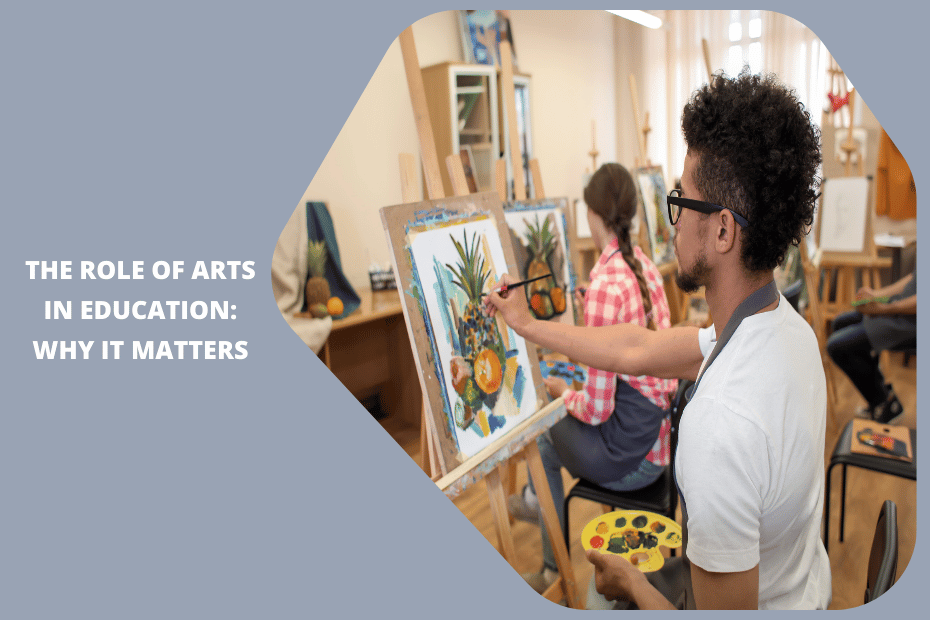
Table of Contents
- Cultivating Creativity and Problem-Solving Skills
- Enhancing Academic Performance
- Fostering Emotional and Social Development
- Promoting Cultural Awareness and Appreciation
- Preparing Students for the Future Workforce
- Supporting Mental Health and Well-Being
- Strengthening Community and Collaboration
- Why Arts Education Matters
- In Conclusion
Arts education has always played a critical role in shaping young minds. From boosting creativity to enhancing emotional intelligence, the arts provide students with skills and experiences that go beyond traditional academics. As someone deeply familiar with the educational sector, I can confidently say that integrating arts into the curriculum is not just an enhancement—it’s a necessity. Here’s why the arts matter so much in education and how they transform students into well-rounded individuals.
Cultivating Creativity and Problem-Solving Skills
One of the most immediate benefits of arts education is its ability to cultivate creativity. Whether it’s painting, music, theater, or dance, engaging in artistic activities encourages students to think outside the box. Arts challenge them to explore new ways of expressing themselves and solving problems.
For instance, when students collaborate on a play or a group art project, they encounter challenges that require innovative solutions. These problem-solving experiences translate to other areas of their lives, including academics and future careers. Creativity isn’t just an artistic skill—it’s a life skill that helps students adapt and thrive in an ever-changing world.
Enhancing Academic Performance
There’s a strong connection between arts education and improved academic outcomes. Research has shown that students involved in the arts tend to perform better in core subjects like math, science, and reading. This improvement often stems from the discipline and focus that artistic pursuits demand.
Take music education as an example. Learning to play an instrument enhances memory, attention, and mathematical skills. Similarly, theater and drama activities improve reading comprehension and public speaking abilities. The arts engage multiple parts of the brain, creating connections that boost overall cognitive performance.
Fostering Emotional and Social Development
The arts provide a safe space for students to explore and express their emotions. Activities like painting, writing, and performing allow them to communicate feelings that might be difficult to articulate in words. This emotional expression fosters mental well-being and builds resilience.
Moreover, participating in group artistic endeavors helps students develop teamwork and empathy. When working on a collaborative project, they learn to listen, compromise, and appreciate different viewpoints. These social skills are vital for building meaningful relationships and succeeding in professional environments.
Promoting Cultural Awareness and Appreciation
Arts education introduces students to diverse cultures and traditions, fostering a deeper understanding of the world. Whether it’s learning about African drumming, studying Renaissance paintings, or performing a traditional Indian dance, these experiences broaden students’ horizons.
Understanding cultural expressions through art helps students develop a sense of inclusivity and respect for diversity. This cultural awareness enriches their personal lives and prepares them to thrive in an increasingly globalized society.
Preparing Students for the Future Workforce
The skills gained through arts education are highly valued in today’s job market. Creativity, critical thinking, adaptability, and collaboration are all qualities employers seek in candidates. These are precisely the skills students hone through artistic activities.
For example, graphic design and multimedia arts prepare students for careers in digital marketing, advertising, and film production. Theater fosters confidence and presentation skills, while music develops discipline and focus. By incorporating arts into education, we equip students with versatile skills that are applicable across industries.
Supporting Mental Health and Well-Being
Arts have a therapeutic effect on students, helping them manage stress and anxiety. Engaging in creative activities provides an outlet for self-expression and relaxation, promoting mental health. Schools that integrate arts into their curriculum often report a more positive atmosphere and improved student morale.
Dance and movement-based arts, for instance, combine physical activity with creativity, offering both mental and physical health benefits. Similarly, music has been shown to reduce stress and enhance mood. These benefits make arts education a powerful tool for fostering overall well-being.
Strengthening Community and Collaboration
Arts education often involves community-oriented activities, such as school plays, concerts, and art exhibitions. These events bring together students, parents, and local communities, creating a sense of belonging and shared purpose.
Collaborative artistic projects teach students the importance of working toward a common goal. They learn to appreciate the contributions of others, whether it’s a teammate in a choir or a fellow actor in a play. This spirit of collaboration strengthens their interpersonal skills and prepares them for teamwork in professional settings.
Why Arts Education Matters
- Cultivates creativity and problem-solving skills.
- Enhances academic performance in core subjects.
- Fosters emotional and social development.
- Promotes cultural awareness and appreciation.
- Prepares students for the workforce with essential skills.
- Supports mental health and well-being.
- Strengthens community engagement and collaboration.
In Conclusion
The arts are not just an optional part of education—they are essential. They foster creativity, enhance academic performance, and provide emotional and social benefits that prepare students for life beyond the classroom. By investing in arts education, we equip students with the tools they need to succeed in all areas of life. Whether it’s through music, painting, theater, or dance, the arts shape students into confident, capable, and compassionate individuals. It’s time to recognize and champion the invaluable role of arts in education.
Related Posts

Top In-Demand Skills College Students Should Learn in 2026
Discover the top in-demand skills college students should learn in 2026...
The Best Exam Preparation Techniques for Busy Students
Discover the best exam preparation techniques for busy students, including active...

Is Supply Chain a Stressful Career? The Reality No One Tells You
Is supply chain a stressful career? Learn which roles are high-pressure,...