
How to Use Gamification to Make Learning Fun
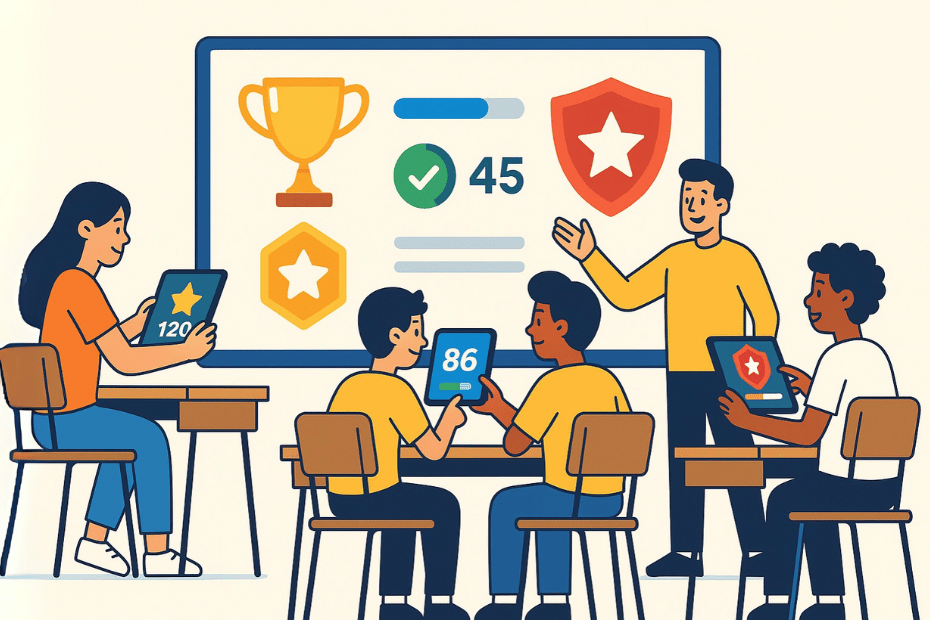
Table of Contents
If you’re looking to make learning stick, gamification offers a smart and proven way to capture attention and increase engagement. By using mechanics like points, levels, challenges, and rewards, you turn your lessons into interactive experiences that motivate students to participate and persist. This article walks you through the fundamentals of educational gamification, how to implement it effectively, what tools you can use, and what to watch out for along the way. Whether you’re teaching in person or online, gamification gives you the flexibility to meet students where they are—and keep them coming back for more.
What Gamification Really Means in Education
Gamification isn’t about turning your classroom into a video game—it’s about applying selected elements from game design to educational settings. When you use it correctly, you tap into intrinsic motivators like achievement, recognition, and progress tracking. You might assign points for correct answers, let students unlock new challenges after completing milestones, or track participation on a class leaderboard. These small changes can make a big difference in how your students approach learning.
What makes this approach powerful is how naturally it aligns with what students already enjoy. You’re not asking them to learn differently—you’re just presenting content in a format that feels rewarding. Whether it’s earning badges for math drills or completing quests in a history unit, you’re encouraging effort through structure, competition, and fun.
Why Gamification Works So Well in Classrooms
If your students are zoning out halfway through a lesson, it’s not because they lack interest—it’s often because they lack immediate feedback or clear progress signals. Gamification fixes that. When you implement real-time feedback loops (think instant points, progress bars, or visual badges), you create a rhythm of learning that feels more responsive and interactive.
You also lower the stakes. Traditional assessment methods—like tests or essays—can be intimidating. With gamified elements, students can try again, improve scores, or advance in levels without feeling punished for initial mistakes. This builds confidence. And when students feel like they can win, they’re more likely to keep playing—and keep learning.
How to Build a Gamified Learning Experience
You don’t need to overhaul your curriculum to get started. Start small. Introduce a point system where students earn credits for homework completion, class participation, or collaborative projects. Offer badges for hitting reading goals or mastering specific skills. Set up “levels” that unlock new assignments or bonus material.
Next, consider how to structure rewards. These don’t need to be physical prizes. In most cases, students will work just as hard for privileges like extra game time, choice of assignment topics, or recognition on a class board. Make sure the rules are consistent and the goals are visible. The clearer your system, the easier it is for students to engage with it.
And remember: you’re not just rewarding speed. Build in achievements for perseverance, creativity, and collaboration. You want to promote more than just correct answers—you want to reward how students learn, not just what they learn.
Gamification Tools You Can Use Right Now
You’ve got several digital platforms that make gamification seamless. Kahoot! is ideal for quiz-based competition. You can create games aligned with your content and let students battle it out in real-time. Quizizz takes a similar approach but adds self-paced modes for homework. Both tools generate detailed performance reports.
Classcraft is another favorite for teachers who want to go deep with gamification. It turns the entire classroom into a role-playing game. Students build characters, complete quests, and earn points for good behavior or academic progress. If you’re managing a classroom full of mixed abilities, this kind of immersive setup keeps everyone involved.
Then there’s Duolingo, which shows how gamification can power long-term learning goals. With daily streaks, XP points, and competitive leaderboards, it’s a strong model for how you can encourage repetition and reward consistency. Even if you’re not teaching languages, the structure is worth studying.
What to Watch Out For
While gamification boosts motivation, it’s not immune to problems. If your system focuses too heavily on competition, some students may disengage—especially if they don’t see a path to catch up. You don’t want to create “winners” and “losers.” Balance your setup with solo achievements and team-based goals so every student has something to work toward.
Also, keep accessibility in mind. Not every student learns best in a fast-paced, visual environment. Make sure your challenges come in varied formats—visual, verbal, creative, and analytical—so that different learning styles are supported. And avoid using points or badges as the sole measure of success. Gamification should complement your teaching, not replace thoughtful assessment.
Finally, be ready to adapt. Gamified systems need tweaking. You may find that one reward system works for a few weeks and then loses steam. Or a badge that once motivated your class now gets ignored. That’s okay. Stay flexible, and ask students what they find most rewarding. Their feedback will guide you to what works best.
Gamification in Remote and Hybrid Learning
If you’re teaching in an online or blended environment, gamification can be even more valuable. Digital fatigue is real, and adding game-based mechanics can make online lessons more interactive. Use challenge boards, time-limited quests, or collaborative points to keep momentum going.
You can set weekly goals and track them publicly through a shared dashboard. Incorporate visuals like progress bars, digital trophies, or avatars to keep things engaging. Use breakout rooms as mini-game zones where students solve problems or build projects for points. When the structure is clear and the incentives are consistent, your virtual classroom becomes more than a screen—it becomes a space for exploration and fun.
How Gamification Boosts Learning
- Motivates students through points and rewards
- Encourages active participation and curiosity
- Supports progress tracking and self-assessment
- Works in both physical and digital classrooms
- Makes lessons more engaging and memorable
In Conclusion
You don’t need to be a game designer to bring gamification into your classroom. With the right tools and a bit of structure, you can turn routine lessons into experiences students want to revisit. By building in progress, feedback, and fun, you’re helping learners stay motivated and focused. You’re also creating a learning culture that rewards effort, not just outcomes. Gamification isn’t a gimmick—it’s a teaching strategy that works, and it’s one you can scale, shape, and personalize to your exact classroom needs.
For more strategies on innovative teaching, student motivation, and the future of learning, follow Benjamin Gordon on Quora for thought-provoking insights that bring education and engagement together.
Related Posts

Top In-Demand Skills College Students Should Learn in 2026
Discover the top in-demand skills college students should learn in 2026...

The Best Exam Preparation Techniques for Busy Students
Discover the best exam preparation techniques for busy students, including active...

Is Supply Chain a Stressful Career? The Reality No One Tells You
Is supply chain a stressful career? Learn which roles are high-pressure,...