
How to Create a Positive Learning Environment
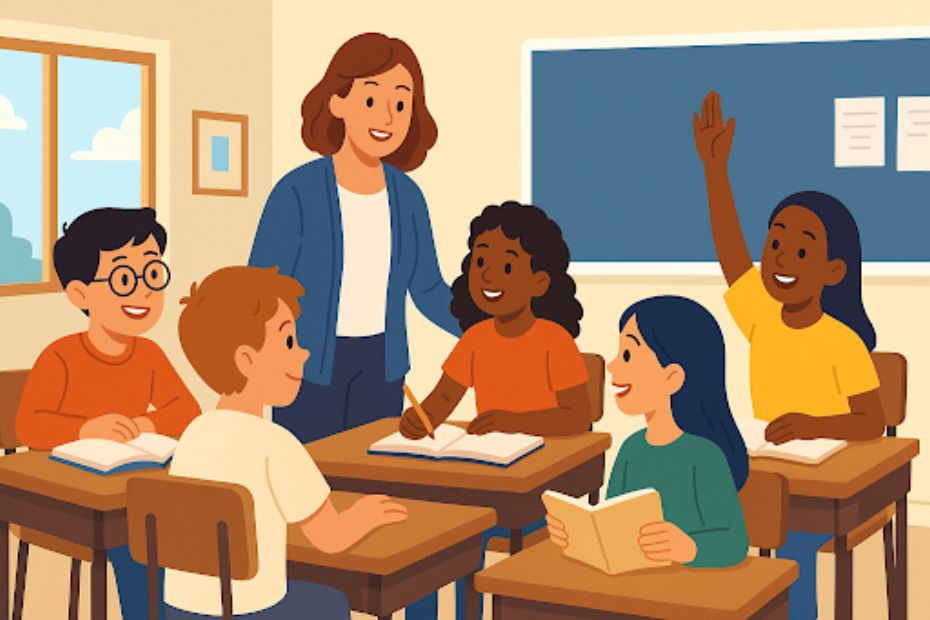
Table of Contents
- Set Clear and Consistent Expectations
- Build Strong, Supportive Relationships
- Create a Space Where Everyone Feels Seen
- Give Students Room to Make Choices
- Encourage Teamwork and Collaborative Learning
- Make Feedback Actionable and Encouraging
- Shape the Physical and Emotional Environment
- How to Create a Positive Learning Environment
- In Conclusion
When you set out to build a classroom that actually encourages learning, you’re not just arranging desks and assigning grades—you’re shaping how students feel when they walk through the door. A positive learning environment isn’t created by chance. It takes consistent actions, thoughtful planning, and a commitment to making every learner feel safe, respected, and motivated. Whether you’re teaching in person or online, your influence sets the tone. In this guide, you’ll walk through the key strategies that can help you create the kind of space where students want to learn—and keep learning.
Set Clear and Consistent Expectations
One of the first things you need to do is set expectations your students can actually follow. You don’t need a wall full of rules—just a few clear, consistent guidelines that cover how students treat each other, how they engage with learning tasks, and how they handle challenges.
What matters most is consistency. If you say one thing and allow another, students lose confidence in the environment. Make the rules collaborative. Invite students to help shape classroom norms during the first few weeks. When learners contribute to the rules, they’re more likely to take ownership of them. And that ownership goes a long way in keeping behavior on track and learning focused.
Build Strong, Supportive Relationships
You can have the best content and still lose your class if the relationships aren’t there. Students learn better when they trust you. Take time to get to know them—not just their test scores or academic levels, but what they care about, how they learn best, and what challenges they face.
Don’t wait for students to come to you. Be proactive. Greet them at the door. Follow up on their goals. Celebrate their wins, even the small ones. And when you make a mistake—and you will—own it. That honesty models maturity and shows students you respect them enough to be real. The stronger your relationships, the more likely students are to stay engaged, even when the material gets tough.
Create a Space Where Everyone Feels Seen
If you want students to thrive, they need to feel like they belong. That means building a classroom that welcomes different cultures, learning styles, and personalities. Start by incorporating diverse voices and perspectives into your lessons—not just during heritage months, but throughout the year.
Encourage students to share their own experiences when it fits the topic. And be aware of your own blind spots. If something in your content or classroom setup unintentionally excludes or isolates a student, fix it. That might mean adjusting how you group students, choosing different examples in a lesson, or changing how participation is counted. Inclusion isn’t about being politically correct—it’s about creating conditions where every student can learn without having to fight for space.
Give Students Room to Make Choices
Nothing kills motivation faster than a classroom where everything is rigid and top-down. You don’t need to hand over the entire syllabus, but giving students some choice over how they learn or demonstrate understanding can work wonders. Let them pick between writing an essay or recording a podcast. Allow them to suggest project topics. Let them weigh in on how they’ll be assessed.
You’ll still guide the learning, but you’ll do it in a way that respects their interests and autonomy. When students feel like they have some control, they engage more deeply. You stop getting surface-level responses and start seeing thoughtful work that reflects genuine investment.
Encourage Teamwork and Collaborative Learning
Learning doesn’t always need to be a solo mission. When students work together, they develop skills in communication, problem-solving, and flexibility—skills they’ll need far beyond school. But group work needs structure. Assign roles, set goals, and check in regularly to keep things on track.
Use collaborative activities to help students learn how to listen, compromise, and build on each other’s ideas. Don’t just toss them into groups and hope for the best. Teach them how to collaborate. It’s not something they automatically know. The better you scaffold those experiences, the more productive and positive those interactions will be.
Make Feedback Actionable and Encouraging
You know feedback matters, but it only works if students understand it and believe they can act on it. Avoid vague statements like “good job” or “needs improvement.” Be specific. Let them know what they did well and what they can improve, and give them a chance to apply that feedback without penalty.
Make sure your feedback promotes growth, not fear. You want students to take risks, try new approaches, and reflect on their learning. Frame mistakes as part of the process, not evidence of failure. When you shift feedback from a judgment to a guide, you make it easier for students to keep going, even when they’re struggling.
Shape the Physical and Emotional Environment
Whether your classroom is digital or physical, the way it’s set up affects how students feel and behave. In person, that might mean flexible seating, natural light, clean spaces, and displays of student work. Online, it could mean creating user-friendly platforms, consistent schedules, and personalized check-ins.
But emotional atmosphere matters just as much. Your tone, your patience, your ability to stay calm in chaos—it all contributes. Students are constantly scanning for cues: Am I safe here? Am I welcome? Can I ask questions without embarrassment? When the answer is yes, they’re more willing to take academic risks and engage deeply with the material.
How to Create a Positive Learning Environment
- Set clear expectations and stick to them
- Build relationships based on trust and respect
- Make space inclusive and culturally responsive
- Offer student choices to boost ownership
- Use structured collaboration strategies
- Give feedback that supports progress
- Create a welcoming and calm atmosphere
In Conclusion
A positive learning environment doesn’t happen by accident—it’s the result of daily choices you make as an educator. When you create structure without rigidity, offer support without micromanaging, and bring a sense of safety and belonging into your space, students don’t just learn better—they grow in confidence, resilience, and curiosity. That’s the kind of impact that lasts long after the school year ends.
For more tips on leadership, education, and building impactful environments, follow Benjamin Gordon on X.
Related Posts

Top In-Demand Skills College Students Should Learn in 2026
Discover the top in-demand skills college students should learn in 2026...
The Best Exam Preparation Techniques for Busy Students
Discover the best exam preparation techniques for busy students, including active...

Is Supply Chain a Stressful Career? The Reality No One Tells You
Is supply chain a stressful career? Learn which roles are high-pressure,...