
How Can Teachers Integrate Sustainability into the Curriculum?
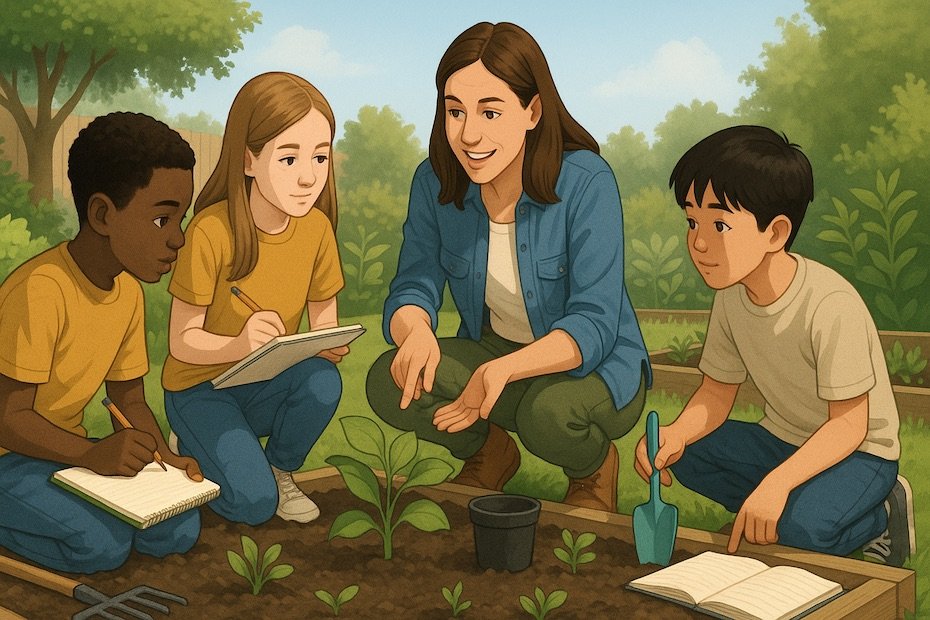
Table of Contents
- Make It Part of Core Lessons
- Use Project-Based Learning to Fuel Engagement
- Take Learning Outside the Classroom
- Connect with Community Partners
- Incorporate Technology and Digital Tools
- Link to Global and Local Goals
- Encourage Reflection and Celebration
- Key Ways to Integrate Sustainability into Teaching
- In Conclusion
You already teach your students to think critically, problem-solve, and collaborate. So why not connect those skills to one of the most important issues of your time—sustainability? Integrating sustainability into your curriculum isn’t about adding another subject. It’s about using what you already teach to show students how their learning applies to the real world. Whether you’re covering science, literature, math, or art, you can bring sustainability into the conversation in practical, age-appropriate ways. Here’s how you can create meaningful, engaging learning experiences that empower students to care for their environment and community.
Make It Part of Core Lessons
You don’t need a standalone course to teach sustainability. You can start by reworking parts of your existing lessons. For instance, in a science class, let students measure energy use in their school and recommend ways to reduce it. In math, have them calculate water waste from leaky faucets or estimate emissions saved through biking to school. In language arts, they can write persuasive essays on banning single-use plastics. By anchoring sustainability to real data and classroom concepts, you build relevance and spark curiosity.
This kind of integration shows students that sustainability isn’t just a “green” topic—it’s a practical concern connected to daily decisions. Over time, they’ll start applying systems thinking to how energy, resources, and people interact. That’s the deeper win: they stop seeing sustainability as separate from the rest of life.
Use Project-Based Learning to Fuel Engagement
You’ve probably seen how students come alive when they get to solve problems that matter. That’s the power of project-based learning. When you turn sustainability into a real-world challenge, you give students a reason to ask questions, test ideas, and work together. For example, have your class design a zero-waste lunch program. Let them run audits, create awareness campaigns, and pitch proposals to school leadership.
These kinds of projects give students ownership. They’re not just following instructions—they’re creating change. Whether they’re designing eco-friendly products in a business class or mapping local food systems in geography, they’re practicing the skills that will help them lead sustainable lives.
Take Learning Outside the Classroom
If you want students to care about the environment, give them a reason to connect with it. Organize activities outdoors: community clean-ups, garden planting, soil testing, or tree identification walks. Even brief excursions to a nearby park can become science labs or inspiration for art and writing. When students interact directly with their surroundings, their interest becomes personal.
Field trips to local recycling centers, water treatment plants, or organic farms also help students understand sustainability in action. Seeing how systems work—from production to disposal—gives context to their learning and often sparks unexpected career interests.
Connect with Community Partners
You don’t have to do it alone. Local nonprofits, urban gardeners, government agencies, and sustainability consultants are often happy to support student learning. Bring guest speakers into the classroom to share their environmental work. Partner with organizations on cleanup projects or awareness campaigns.
Some teachers collaborate with city officials to co-design environmental initiatives or invite students to present their ideas at town hall meetings. These partnerships make learning more authentic and show students that their voices matter. Plus, they get to see adults taking action, which strengthens their own sense of agency.
Incorporate Technology and Digital Tools
You can bring sustainability to life with tech tools that are already part of your classroom. Use data dashboards to track energy use. Have students build websites or infographics to share research on biodiversity. Use simulation tools to model the effects of different land use practices or climate change scenarios.
Online platforms like NASA’s Climate Kids or Earth School offer interactive modules that you can tailor to your lessons. If your students are more advanced, introduce them to tools like ArcGIS for mapping, or Google’s Environmental Insights Explorer to study emissions in their area. With digital tools, students get a clearer, data-backed view of environmental challenges—and the solutions.
Link to Global and Local Goals
The UN’s Sustainable Development Goals (SDGs) provide a ready-made framework for teaching sustainability in a broad, interdisciplinary way. These 17 goals—from clean water to responsible consumption—cover issues students see on the news and in their communities. You can assign research projects based on the SDGs and ask students to evaluate how their own community is addressing these challenges.
At the local level, students can examine how your school or district manages energy, waste, or transportation. Use this analysis as a jumping-off point for service learning. When students see how global goals connect to local action, sustainability becomes real—not abstract.
Encourage Reflection and Celebration
Once students complete sustainability projects or lessons, give them space to reflect. Ask what they learned, what surprised them, and what they’d do differently. Have them write blogs, create posters, or produce short videos summarizing their experiences. Reflection helps internalize the learning and reinforces the idea that they can be part of meaningful change.
Don’t forget to showcase their work. Display it in school hallways, post it online, or invite parents and community leaders to presentations. When students see their contributions recognized, they’re more likely to keep caring—and keep acting.
Key Ways to Integrate Sustainability into Teaching
- Turn regular lessons into environmental learning
- Assign real-world sustainability projects
- Use school and community spaces for outdoor learning
- Partner with local experts or nonprofits
- Incorporate tech for data-driven insights
In Conclusion
Bringing sustainability into your curriculum isn’t about adding another box to check. It’s about helping students make sense of the world, understand their impact, and believe they can shape a better future. You already have the tools—subjects, creativity, and a captive audience. What you’re doing is guiding the next generation to think bigger, act smarter, and care more. Start with what you can control and build from there. One small change in your classroom could spark a lifetime of responsible action.
Thanks for reading! To explore more insights on the strategic importance of sustainability in modern business, the evolving demands on future talent, and investments driving innovation in critical sectors like supply chain, I invite you to learn more about Ben Gordon’s ventures
Related Posts

Top In-Demand Skills College Students Should Learn in 2026
Discover the top in-demand skills college students should learn in 2026...

The Best Exam Preparation Techniques for Busy Students
Discover the best exam preparation techniques for busy students, including active...

Is Supply Chain a Stressful Career? The Reality No One Tells You
Is supply chain a stressful career? Learn which roles are high-pressure,...